
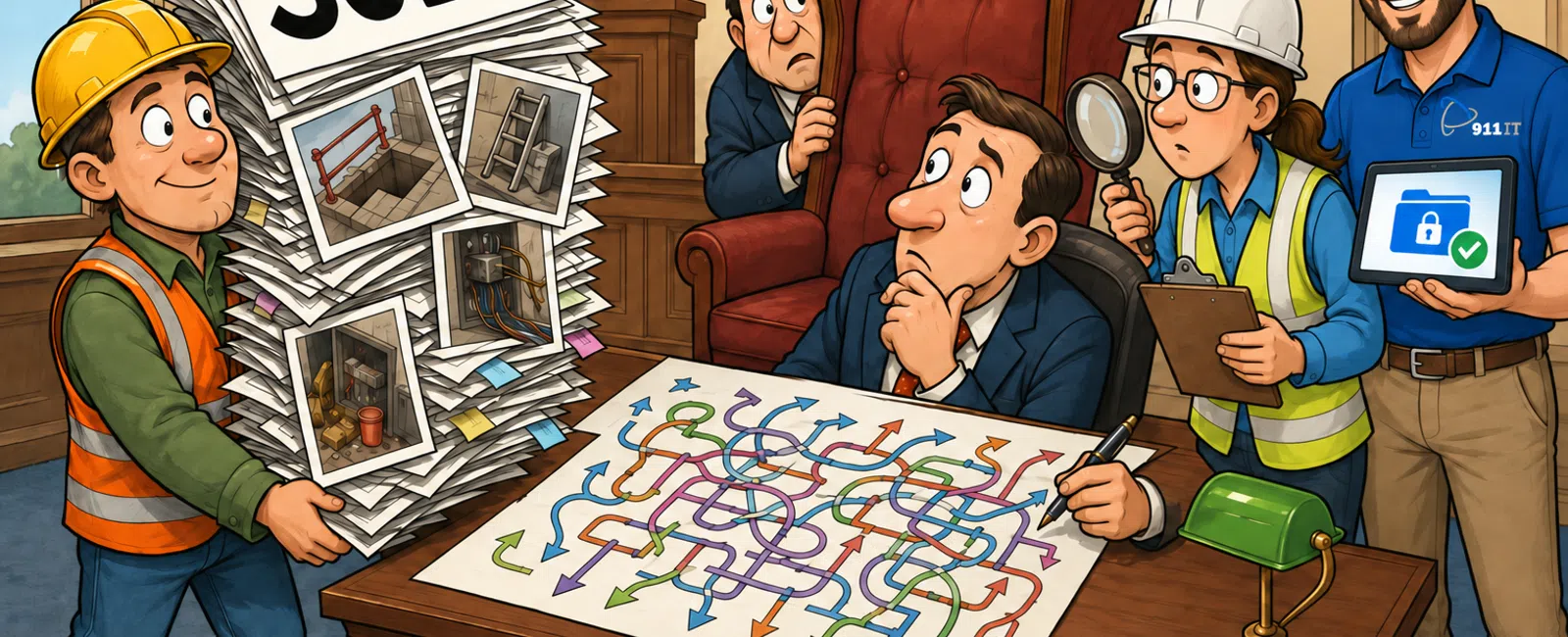
You generally cannot sue your company directly for OSHA violations in most states due to workers' compensation laws that provide exclusive remedy. However, you can file an OSHA complaint, pursue workers' compensation claims, sue for retaliation if fired for reporting violations, or pursue third-party liability claims. OSHA protects over 130 million workers across more than 8 million worksites nationwide.
What Legal Protections Do I Have Under OSHA?
OSHA grants workers specific rights to a safe workplace without fear of retaliation. You can refuse dangerous work, request inspections, and report hazards without employer punishment.
The Occupational Safety and Health Act prohibits employers from retaliating against workers who exercise their rights. This includes firing, demoting, reducing pay, or taking any adverse action against employees who report safety concerns.
If your employer retaliates against you for reporting OSHA violations, you have 30 days to file a whistleblower complaint with OSHA. This tight deadline makes documentation critical - keep records of your safety complaints and any subsequent adverse actions.
Documentation systems that capture safety incidents, equipment failures, and communication records become crucial evidence if you need to prove retaliation. Modern IT infrastructure can automatically timestamp and preserve these records.
OSHA protections extend beyond federal employees to most private sector workers, though some industries have specific regulatory bodies that handle safety differently.
Why Can't I Sue My Employer Directly for OSHA Violations?
Workers' compensation laws in most states create an "exclusive remedy" system. When you're injured at work, you receive workers' comp benefits but give up the right to sue your employer for negligence.
This trade-off emerged in the early 1900s as a compromise. Workers gained guaranteed compensation without proving fault, while employers gained protection from costly lawsuits.
OSHA itself doesn't create a private right of action. The law authorizes federal enforcement through inspections, citations, and penalties, but doesn't allow individual workers to file civil lawsuits for violations.
Three exceptions allow lawsuits outside workers' compensation:
- Intentional torts (employer deliberately caused harm)
- Third-party liability (equipment manufacturer or subcontractor caused injury)
- Retaliation claims for reporting safety violations
The exclusive remedy rule means even egregious safety violations don't automatically create lawsuit rights. Your path forward depends on the specific circumstances and applicable state law.
When Can I Sue for Retaliation After Reporting OSHA Violations?
Retaliation claims represent your strongest legal option when your employer punishes you for reporting safety concerns. These claims exist outside workers' compensation restrictions.
You must file your whistleblower complaint within 30 days of the retaliatory action. OSHA investigates and can order reinstatement, back pay, and compensatory damages if they find retaliation occurred.
Retaliation takes many forms beyond termination. Demotions, shift changes, reduced hours, increased scrutiny, hostile work environment, or exclusion from projects all qualify as adverse actions.
Proving retaliation requires establishing a timeline: you engaged in protected activity (reported a violation), your employer knew about it, and they took adverse action against you shortly afterward.
Workers who file retaliation complaints and prevail can recover lost wages, emotional distress damages, and attorney fees - remedies unavailable through workers' compensation alone.
Digital communication records - emails, text messages, project management software logs - provide powerful evidence of timing and employer knowledge. Secure backup systems ensure this evidence survives if you lose access to company systems.
If OSHA doesn't resolve your complaint satisfactorily, you may have the right to file a lawsuit in federal court, depending on which whistleblower statute applies to your situation.
What Third-Party Claims Can I Pursue for Workplace Injuries?
Third-party liability claims let you sue entities other than your direct employer when their negligence caused your injury. These lawsuits exist alongside workers' compensation benefits.
Equipment manufacturers represent common third-party defendants. If a defective crane, power tool, or safety device caused your injury, you can sue the manufacturer for product liability.
General contractors and subcontractors on construction sites create complex liability scenarios. If you work for a subcontractor but a general contractor's negligence injured you, you may have a third-party claim.
Property owners who maintain dangerous conditions can face liability. If you're injured on a client's property due to hazards the owner created or failed to remedy, you may sue them directly.
Engineering and design professionals bear responsibility for safety in their plans. When structural failures or design defects cause injuries, architects and engineers may face liability separate from the construction company.
Third-party lawsuits allow recovery for pain and suffering, full lost wages, and punitive damages - compensation types unavailable through workers' compensation. These claims often result in substantially higher settlements.
Coordination between workers' comp and third-party claims requires careful legal navigation. Your employer's workers' comp carrier typically holds a lien on third-party recovery to recoup benefits paid.
How Do I File an OSHA Complaint About Safety Violations?
Filing an OSHA complaint triggers an investigation without requiring you to sue. This administrative process protects your identity and costs nothing.
You can file online, by phone, by mail, or in person at your regional OSHA office. Complaints filed online or by phone about imminent dangers receive priority response - OSHA may inspect within 24 hours if they determine workers face immediate risk of death or serious harm.
Your complaint should identify specific hazards, their location, and how they violate OSHA standards. Include dates, witnesses, and any prior complaints you made to management.
OSHA keeps complainant names confidential from employers when requested. Anonymous complaints receive lower priority unless they allege imminent danger or include sufficient detail to warrant inspection.
The OSHA complaint process follows these steps:
- Submit complaint through online portal, phone (1-800-321-OSHA), mail, or in person
- OSHA reviews complaint and determines inspection priority based on severity
- Inspector conducts on-site evaluation and documents violations
- OSHA issues citations with proposed penalties and abatement deadlines
- Employer posts citations at violation site and has 15 days to contest or comply
- Follow-up inspections verify hazard correction
Digital systems that track safety incidents, equipment inspections, and training records strengthen OSHA complaints with objective evidence. Cloud-based solutions ensure records remain accessible even when job sites close or you leave the company.
If OSHA declines to inspect or you disagree with their findings, you can request an informal conference or file additional complaints with more detailed information.
Filing an OSHA complaint doesn't prevent you from simultaneously pursuing workers' compensation or consulting an attorney about retaliation claims.
What Role Does Technology Play in Documenting Safety Violations?
Modern construction projects generate massive documentation - submittals, RFIs, change orders, daily logs, and safety reports. Proper IT infrastructure ensures this evidence survives when you need it.
Cloud-based project management software creates timestamped records of safety communications. When disputes arise about who knew what and when, these logs provide objective evidence.
Kevin, who works in construction, experienced firsthand how technical expertise matters: "The attitude and expertise that 911it brings to the table are outstanding! They demonstrated incredible skill and knowledge while helping me with my tech needs. Their ability to handle even the most challenging issue with ease truly sets them apart."
Email and text message retention policies matter enormously. If your employer deletes communications after 30 days, critical evidence of safety complaints and management responses disappears.
Business continuity services protect against data loss from weather events and system failures that could destroy critical safety documentation.
CAD and BIM files document design specifications and as-built conditions. When safety failures stem from deviations from approved plans, these technical files prove what should have been built.
Cybersecurity protections prevent unauthorized alteration of safety records. If project documentation can be edited without audit trails, its evidentiary value collapses.
Construction IT support tailored to industry workflows ensures safety documentation systems remain operational even during equipment failures or site transitions.
Access controls determine who can view, edit, or delete safety records. When employees leave or are terminated, proper IT management prevents them from destroying evidence.
Automated backup systems create point-in-time snapshots of all project data. If disputes arise months after an incident, you can retrieve the exact state of documentation from that date.
What Compensation Can I Recover for Workplace Safety Violations?
Your available compensation depends on which legal avenue you pursue. Each option provides different types and amounts of recovery.
Workers' compensation covers medical expenses, partial wage replacement (typically two-thirds of average weekly wage), and permanent disability benefits. It doesn't compensate for pain and suffering or punitive damages.
Retaliation claims can recover full back pay, front pay if reinstatement isn't feasible, compensatory damages for emotional distress, and attorney fees. Some statutes allow punitive damages for particularly egregious retaliation.
Third-party lawsuits provide the broadest recovery: full past and future lost earnings, all medical expenses, pain and suffering, loss of enjoyment of life, and punitive damages if gross negligence is proven.
OSHA citations result in employer penalties paid to the government, not to injured workers. Maximum penalties reach $15,625 per serious violation and $156,259 per willful or repeated violation as of 2024.
Settlement negotiations in third-party cases often reach six or seven figures for catastrophic injuries, far exceeding workers' compensation benefits. However, your employer's workers' comp carrier holds a lien on settlements to recoup benefits paid.
Attorney contingency fees typically range from 33% to 40% of recovery in personal injury cases. Workers' compensation attorneys often work on statutory fee schedules approved by the state.
Tax treatment differs by recovery type. Workers' comp benefits are generally tax-free, while portions of third-party settlements for lost wages may be taxable.
How Can Construction Companies Prevent OSHA Violations and Liability?
Proactive safety management reduces both worker injuries and legal exposure. Technology infrastructure plays an increasingly central role in modern safety programs.
Digital safety management systems track training completion, equipment inspections, and hazard reports. Automated reminders ensure certifications don't lapse and inspections occur on schedule.
Real-time communication tools let field crews report hazards immediately. When site supervisors receive instant notifications, they can address dangers before injuries occur.
Document retention policies must balance legal requirements with practical storage limits. Safety-related records should be preserved longer than standard business documents.
Regular IT security assessments protect safety documentation from ransomware and data breaches. Cybersecurity services prevent scenarios where attackers encrypt or destroy critical safety records.
Rhonda, working in construction, found that reliable IT support eliminated panic: "911 IT has been a godsend to our company, especially to me. They are always available and can take care of any need we have right away. I never panic anymore when something isn't working right, I just call anyone on the team, and they pleasantly take over, and the problem is gone."
Mobile device management ensures field workers' phones and tablets receive security updates and maintain access to current safety procedures and emergency contacts.
Cloud-based solutions scale with project demands rather than requiring fixed infrastructure investments that sit idle during slower periods.
Investing in proper IT infrastructure demonstrates commitment to safety and creates documentation that protects companies from frivolous claims while ensuring legitimate concerns receive attention.
Frequently Asked Questions
Can I be fired for reporting OSHA violations?
No, federal law prohibits retaliation for reporting safety violations. If your employer fires, demotes, or otherwise punishes you for filing an OSHA complaint or refusing unsafe work, you can file a whistleblower complaint within 30 days. OSHA investigates retaliation claims and can order reinstatement, back pay, and damages. Document all safety complaints and subsequent employer actions to strengthen your case.
How long do I have to file an OSHA complaint?
OSHA doesn't impose a strict deadline for filing safety complaints about ongoing hazards, but you should report dangerous conditions promptly to prevent injuries. However, if you're filing a retaliation complaint because your employer punished you for reporting violations, you have only 30 days from the retaliatory action. This tight deadline makes immediate documentation and filing critical for whistleblower protection.
What happens after I file an OSHA complaint?
OSHA reviews your complaint and determines whether to conduct an inspection. Imminent danger situations may trigger inspections within 24 hours, while other complaints receive priority based on severity. OSHA keeps your identity confidential if requested. After inspection, OSHA issues citations for violations with proposed penalties. Employers must correct hazards within specified timeframes and can contest citations through an administrative process.
Do I need a lawyer to file an OSHA complaint?
No, you can file OSHA complaints directly without legal representation at no cost. The process is designed for workers to use independently through online forms, phone calls, or written submissions. However, if you're considering a retaliation lawsuit, third-party claim, or complex workers' compensation case, consulting an attorney helps you understand all available remedies and maximize recovery. Many employment attorneys offer free initial consultations.
Can I sue if my coworker was injured due to OSHA violations?
Generally, no - only the injured worker has standing to pursue legal claims related to their injury. However, you can and should file an OSHA complaint about hazards that injured your coworker if those same conditions still threaten other workers. Witnessing a coworker's injury also protects you from retaliation if you report the underlying safety violations. Your testimony may support your coworker's workers' compensation or third-party claims.


