
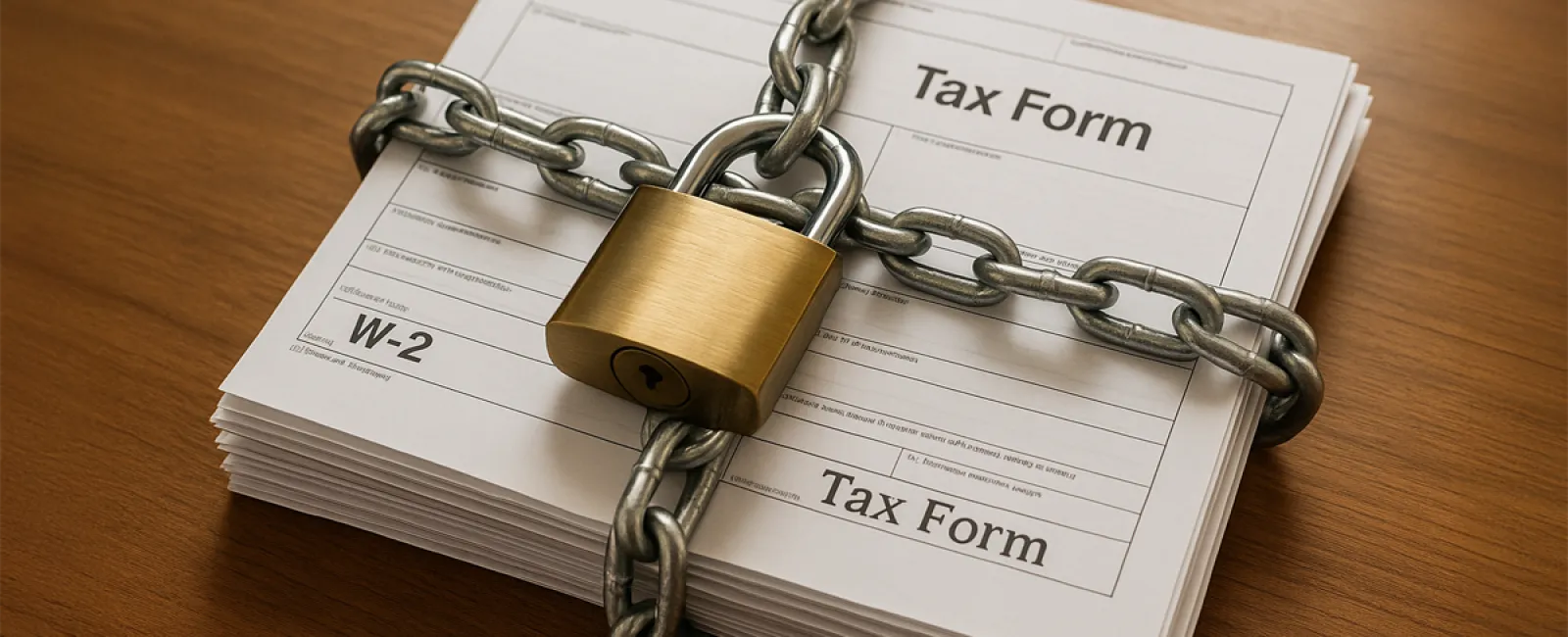
February signals the start of the hectic tax season. Accountants and bookkeepers are busier than ever, scrambling to gather documents and tackle W-2s, 1099s, and looming deadlines.
But here's the hidden threat that rarely makes it onto any schedule: the biggest tax season headache usually begins not with paperwork, but with a well-crafted scam.
This scam often arrives well before April—simple, credible, and targeting small businesses directly. It could already be lurking in someone's inbox at your company.
Inside the W-2 Scam: What You Need to Know
Here's the typical scenario:
An employee responsible for payroll or HR receives an email impersonating the CEO, owner, or a high-level executive.
The message is brief, urgent, and convincing:
"I need copies of all employee W-2s immediately for a meeting with our accountant—can you send them ASAP? I'm swamped today."
The tone feels authentic, the request seems reasonable, and the urgency fits the hectic tax season atmosphere.
Unaware, your employee forwards the W-2 forms.
But the email wasn't from your CEO—it was a cybercriminal using a spoofed email address or a look-alike domain.
Now, this attacker holds sensitive details for every employee:
• Full legal names
• Social Security numbers
• Home addresses
• Salary data
With these, they can commit identity theft or file fraudulent tax returns before your employees even submit theirs.
The Consequences: What Happens After the Scam
Typically, victims realize something's wrong when:
Their tax return is rejected with the message: "Return already filed for this Social Security number."
Someone else has filed in their name and claimed their refund.
Now, your employee faces a mountain of IRS correspondence, credit monitoring challenges, identity theft protection services, and months of recovery paperwork—all because of a fraudulent email.
Multiply this risk across your entire payroll, and you face a major breach of trust, a human resources crisis, potential legal fallout, and damage to your company's reputation.
Why This Scam Is Alarmingly Effective
This isn't an obvious phishing attempt from a distant country prince. It's different because:
The timing aligns perfectly—W-2 requests typically happen in February, so it doesn't raise suspicion.
The request itself sounds legitimate—it's not demanding money or gift cards but asking for standard tax season information.
The urgency feels natural in a busy office: "I'm swamped, can you send this quickly?" doesn't raise alarms.
The sender appears credible—attackers research their targets, replicating executive names and email styles to look authentic.
Employees want to help and prioritize urgent requests, especially from the "boss," often bypassing verification steps.
Protect Your Business Before the Scam Strikes
The encouraging news: preventing this scam hinges more on strong policies and workplace culture than on high-tech tools.
Institute a strict "no W-2s sent via email" policy—without exception. Sensitive payroll documents should never leave your organization in email attachments, no matter how official a request looks.
Verify any sensitive request through a separate channel—call, face-to-face conversation, or company chat. Don't respond directly to the email. Use known contact numbers, not those provided in the message. This quick step can prevent months of crisis.
Hold a brief but focused meeting now—not later—to educate payroll and HR teams on recognizing these scams and responding correctly.
Secure payroll and HR systems with multi-factor authentication (MFA) on all employee data access points. If credentials are compromised, MFA can stop unauthorized access.
Foster a culture where verifying unusual requests is encouraged and rewarded. Praise employees who double-check—even if it seems paranoid. When verification becomes standard, scams lose their power.
Just follow these five simple rules—they're easy to adopt this week and powerful enough to block many tax season scams.
Looking Beyond: The Broader Tax Season Threat Landscape
The W-2 scam is only the beginning.
Expect a surge of tax-related cyberattacks until April, including:
• Fraudulent IRS notices demanding immediate payment
• Phishing emails masquerading as tax software updates
• Spoofed messages posing as your accountant with harmful links
• Fake invoices designed to look like legitimate tax expenses
Tax season is a criminal's favorite time since people are distracted and hurried, making financial requests feel routine.
Companies that navigate tax season safely don't just get lucky—they prepare with thorough policies, awareness training, and protective systems that intercept threats before they escalate.
Is Your Business Prepared to Withstand Tax Season Scams?
If your policies are in place and your team knows the warning signs, you're already ahead of many small businesses.
If not, don't wait for the first attack to learn the hard way.
Consider scheduling a 15-minute Tax Season Security Check. We'll review:
• Payroll and HR system access alongside MFA effectiveness
• Your current W-2 request verification protocols
• Email security measures to detect and block spoofing
• Key policy adjustments most businesses overlook
If you already feel confident, great—but maybe share this information with other business owners who could benefit. It might save them from costly headaches.
Click here or give us a call at 801-610-6000 to schedule your free 10-Minute Discovery Call.
Because tax season is stressful enough without falling victim to identity theft.


