

Technology plays a central role in how businesses operate today. From communication and customer service to internal systems and security, most companies rely on their IT environment to keep things moving. When that technology stops working, even briefly, it creates a ripple effect across the entire business.
For companies in Salt Lake City, IT downtime isn't just an inconvenience. It slows productivity, interrupts revenue, and can quickly turn into a much larger issue if it's not handled properly. Understanding the real impact of downtime is the first step toward preventing it.
The Real Cost of IT Downtime for Salt Lake City Businesses
The financial impact of IT downtime goes far beyond the initial outage. While lost revenue is often the most obvious concern, it's only one piece of the equation.
When systems are down, employees can't do their jobs efficiently - or at all. That loss of productivity adds up quickly, especially for teams that rely heavily on software, communication tools, or shared systems. At the same time, customers may experience delays, missed communications, or service disruptions, which can affect trust and long-term relationships.
For some businesses, downtime can also lead to compliance risks, data loss, or recovery costs that extend well beyond the original issue. For smaller companies in particular, even a short disruption can have a lasting impact on operations and stability.
What Drives the Cost of Downtime
Several factors contribute to how costly an IT outage becomes. One of the biggest is how long the issue lasts. The longer systems are unavailable, the more productivity and revenue are lost.
Another major factor is the cause of the downtime. Hardware failures, software issues, and human error can all play a role, but cybersecurity incidents are becoming an increasingly common driver. A security breach or ransomware event can take systems offline for extended periods and introduce additional costs related to recovery, legal requirements, and reputational damage.
Data loss is another concern. Without reliable backups in place, recovering lost information can be time-consuming, expensive, or in some cases, impossible. When combined, these factors make downtime far more than a temporary inconvenience - it becomes a serious business risk.
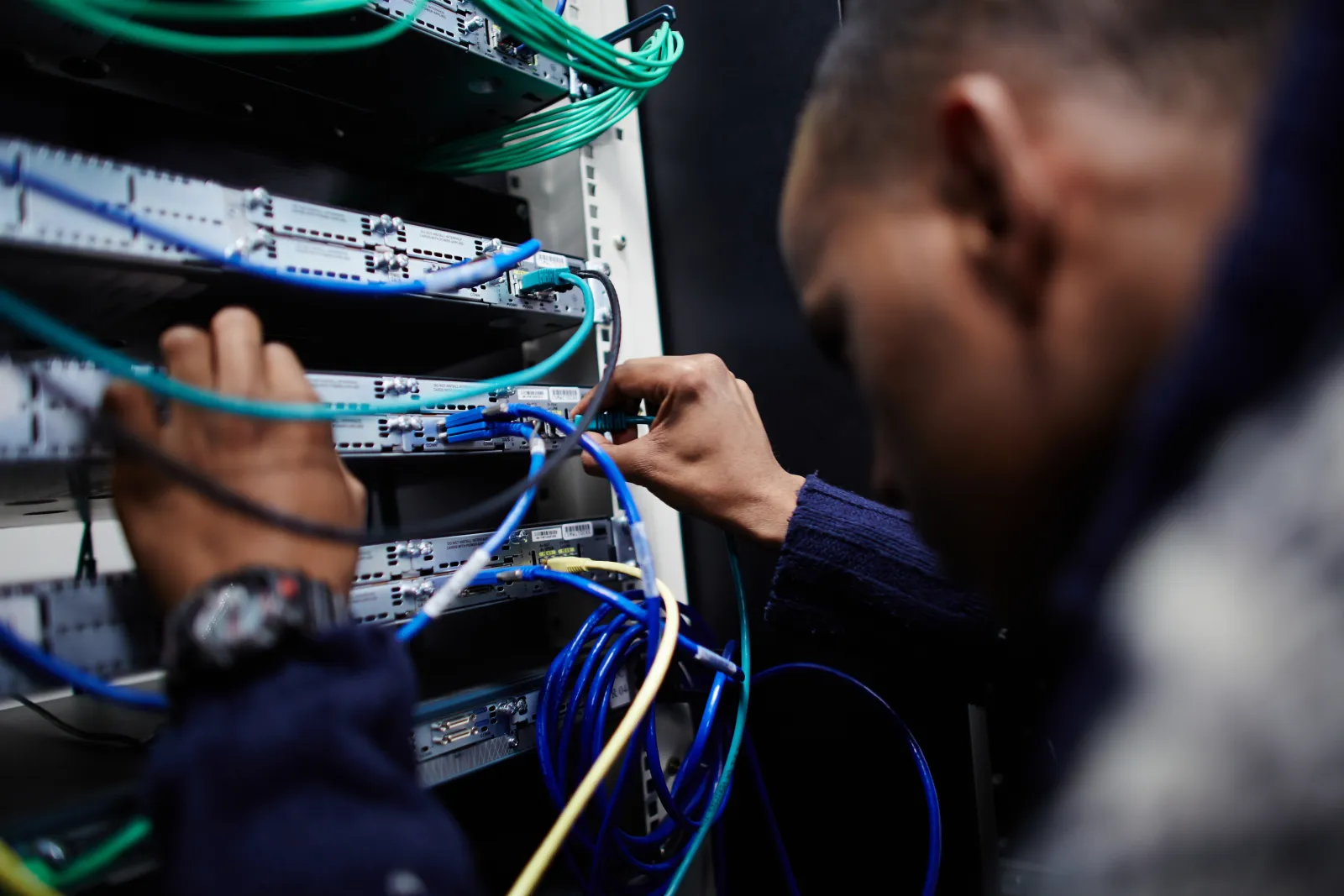
Reducing Downtime Through Proactive IT Management
The most effective way to manage downtime is to prevent it from happening in the first place. That starts with a proactive approach to IT management.
Regular system updates, ongoing monitoring, and routine maintenance help identify potential issues early, before they turn into larger problems. Instead of reacting to failures, businesses can stay ahead of them, reducing both the frequency and severity of disruptions.
Managed IT services play a key role here by providing consistent oversight and support. With the right systems in place, businesses can maintain a more stable IT environment and reduce the likelihood of unexpected outages.
The Importance of Business Continuity and Recovery Planning
Even with strong preventative measures, no system is completely immune to disruption. That's why having a clear plan in place is just as important as preventing issues.
Business continuity planning ensures that your most critical operations can continue—or be restored quickly—if something goes wrong. This often includes secure data backups, defined recovery processes, and systems designed to minimize downtime.
A well-built recovery plan doesn't just reduce risk - it also shortens recovery time and limits the overall impact on your business. When systems can be restored quickly and efficiently, the financial and operational effects of downtime are significantly reduced.
Why Many Businesses Turn to Managed IT Services
For many companies, managing all of this internally can be difficult. It requires time, expertise, and ongoing attention—resources that aren't always available in-house.
Managed IT services in Salt Lake City give businesses access to a team that focuses on keeping systems running, secure, and up to date. Instead of relying on a reactive approach, businesses have consistent support, better visibility into their systems, and a more structured way to manage risk.
This allows internal teams to stay focused on their roles while IT is handled by professionals who are actively maintaining and improving the environment.
Building a More Resilient IT Environment
Downtime may not be completely avoidable, but its impact can be controlled. Businesses that invest in proactive support, strong security, and clear recovery planning are in a much better position to handle disruptions when they occur.
By strengthening your IT foundation, you reduce risk, improve reliability, and create a more stable environment for your team and your customers. Over time, that stability supports better performance, stronger customer relationships, and more consistent growth.
Let's Take a Look at Your Current IT Setup
If you're concerned about downtime - or just want a clearer picture of where your systems stand - we're happy to take a look with you.
No pressure, no commitments - just a conversation to help you understand where you might be exposed and whether there's a better way to support your business.


